Ever wondered how things fit so perfectly?
From the puzzle pieces you play with to the precise layout of your favorite video game, everything involves measurements. But how do these measurements happen so accurately? Let’s dive into the world of measuring tools. Understanding measuring tools: A Beginner’s Guide Explained can be your first step into this fascinating world.
The Basics of Measurement
Measurement is how we figure out the size, volume, or quantity of something using various tools. Whether you’re baking a cake or building a birdhouse, measurements play a crucial role. For anyone just starting, getting to know the common tools for measuring can be incredibly useful.
Common Measuring Tools and How to Use Them
1. Ruler and Tape Measure
You’ve certainly used a ruler in school, right? It’s usually a 12-inch long stick with marks for each inch and smaller marks for fractions of an inch. A tape measure is simply a flexible version of a ruler, often found in your family’s toolbox. It can be pulled out to measure longer distances and is handy in building projects.
How to Use Them:
Lay the ruler or tape measure along the object you want to measure. Start from the zero mark and see what number it comes to at the other end. That’s your measurement!
2. Measuring Cups and Spoons
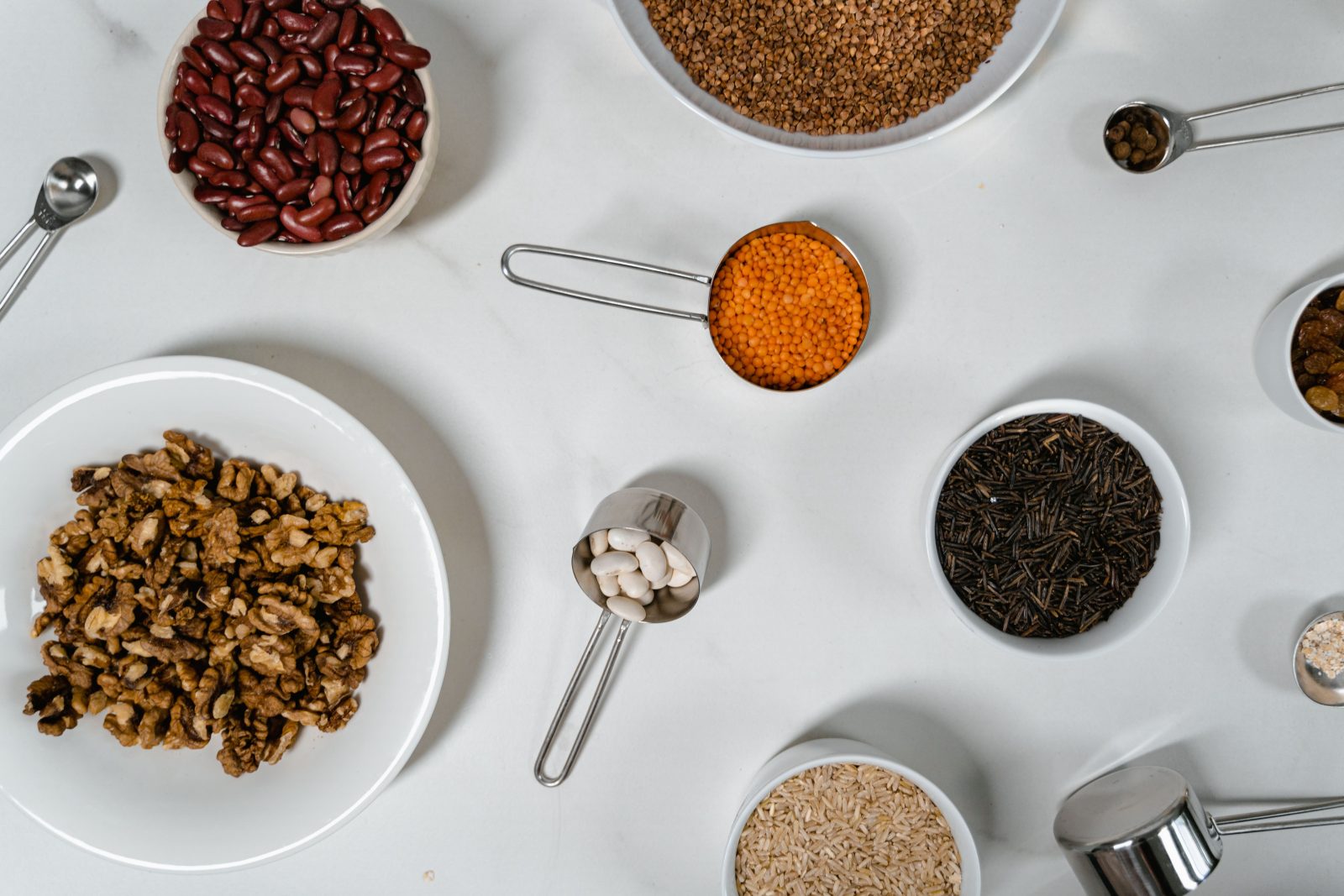
If you’ve ever helped in the kitchen, you might have seen these. Measuring cups and spoons are essential for getting the ingredients just right. They come in various sizes, often labeled with values such as one cup, half a cup, or one tablespoon.
How to Use Them:
For solids like flour, fill the measuring cup or spoon and level it off with a straight edge. For liquids, pour into the measuring cup until it reaches the mark corresponding to the amount you need.
3. Thermometers
Thermometers are not just for checking if you have a fever. There are cooking thermometers to tell you how hot your food is and outdoor thermometers for checking the temperature outside.
How to Use It:
Insert the thermometer into whatever you’re measuring. Wait a few seconds, and then read the level the mercury (or digital indicator) reaches.
4. Scales
A scale can be digital or analog (with dials). Scales are crucial in many scenarios: from weighing groceries to checking luggage weight at the airport.
How to Use It:
Place the object on the scale. Ensure the scale is on a flat, level surface for an accurate reading. Note the weight displayed on the screen or dial.
Tips for Accurate Measuring
- Always start from zero. Make sure there’s no gap between the tool and the item you’re measuring.
- Check twice: It’s a good measure to double-check your numbers.
- Keep your tools in good condition: A bent ruler or a foggy thermometer might give incorrect readings.
FAQs on Understanding Measuring Tools
Q: Why is it important to measure correctly?
A: Accurate measurements ensure that things function properly and fit well. Imagine if a builder didn’t measure correctly; the doors might not fit their frames!
Q: Can I use the same measuring tool for length and volume?
A: No, tools like rulers are meant for measuring lengths and dimensions, while measuring cups and spoons are designed for volume, especially in cooking and baking.
Q: What is the most versatile measuring tool?
A: The tape measure is quite versatile as it can measure length, width, and even the perimeter of objects.
Conclusion: Grasp the Basics and Go Beyond
Understanding measuring tools: A Beginner’s Guide Explained is just the beginning. Whether you aspire to create, cook, or construct, mastering the simple toolset enables you to tackle bigger projects with confidence. Always remember, every big project starts with small, accurate measurements!
Taking the time to learn about different tools and their right usage can transform how you handle numerous tasks – in school projects, home improvements, or even in making your hobbies more precise and enjoyable. Embrace these tools, and let every small measurement be a step towards your success in any venture.