

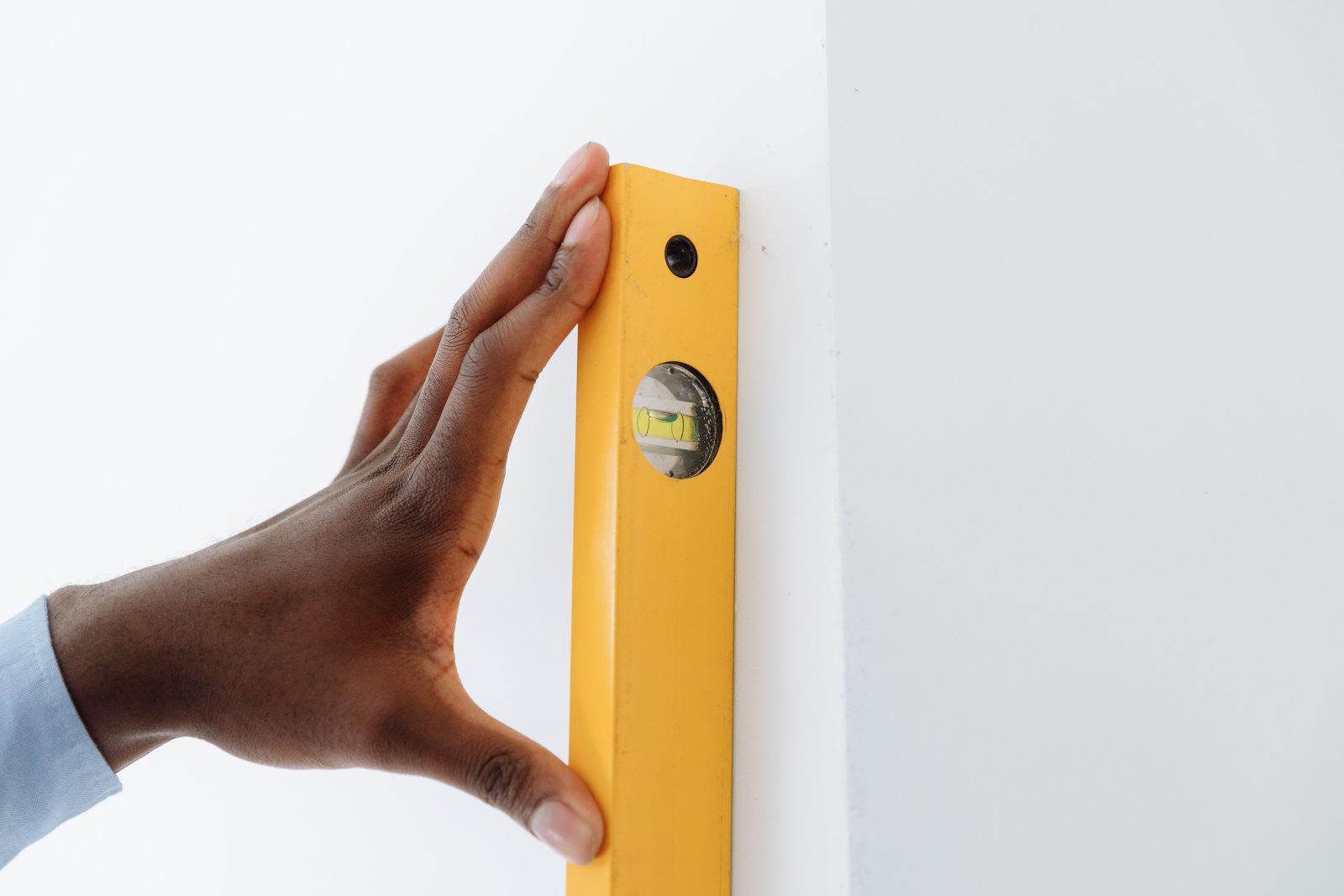
Best Stud Finders for Wall Mounting: Essential Tools for Home Renovation
Every home renovation project, no matter how big or small, starts with the basics. Ensuring your pictures, shelves, or TV mounts are securely fastened can avoid mishaps and guarantee the longevity of your installations. A vital yet often underestimated tool in accomplishing this is a reliable stud finder. This humble device serves as your best ally in locating studs behind drywall, crucial for hanging anything safely. If you’ve ever experienced the frustration of a poorly hung frame that slants or falls, you’ll know the importance of this tool in your DIY arsenal.
Home renovation is not just about aesthetic enhancements but also about safety and durability. And while it might seem straightforward, wall mounting requires precision that only the best stud finders can provide. These tools are not just a convenience; they are a necessity for ensuring your wall decors and utilities are mounted correctly and securely.
This guide has been meticulously crafted to help you select the perfect stud finder for your needs, be it for a casual DIY project or a full-scale renovation. Each product listed here has been chosen based on its accuracy, ease of use, and reliability. We’ll explore what makes each unique, alongside their pros and cons, empowering you with the knowledge to make an informed choice.
1. Franklin Sensors – ProSensor 710
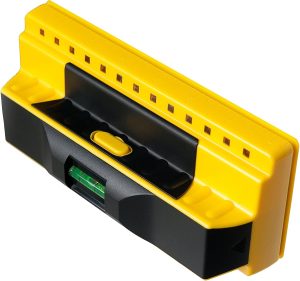
The Franklin Sensors – ProSensor 710 is renowned for its precision and ease of use. Boasting a wide LED display, this stud finder simplifies the task of pinpointing exact stud locations over a more substantial wall area. Its ability to detect multiple studs at once sets it apart from traditional models.
Key Benefits
- Quick detection of multiple studs
- Wide LED display simplifies readability
- Requires no calibration, facilitating immediate use
- Durable design suited for frequent use
This model excels due to its user-friendly design, making it ideal for DIY beginners who require effective results without a steep learning curve.
2. Zircon StudSensor A200
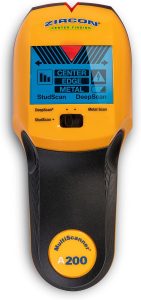
The Zircon StudSensor A200 distinguishes itself with its dual functionality. This device can locate both studs and live AC wires, making it an excellent choice for remodeling kitchens, bathrooms, or any areas where electrical wiring might be a concern.
Why People Choose It
- Dual capabilities reduce the need for multiple tools
- Features a wire warning detection to enhance safety
- Includes a handy LCD that displays all essential details
Targeted towards more advanced home renovators, this tool offers added features that ensure safety and efficiency when dealing with complex projects involving both wooden studs and electrical components.
Expert Tips
When using a stud finder, ensure your wall is clean and free from any wallpapers or wet paint which can affect readings. Begin by calibrating your device according to the manufacturer’s instructions, and always test it on a known stud location to check its accuracy before starting your project. Moving the tool slowly across the wall, in a horizontal direction, usually provides the most accurate results. Listen carefully or watch for signals from your device to pinpoint stud edges accurately.
Common Mistakes to Avoid
One typical error is the assumption that all stud finders work the same way across various wall surfaces. This can lead to inaccurate measurements, especially when dealing with different materials such as plaster versus drywall. Always ensure that the stud finder you choose is suitable for the material of your walls. Another common mistake is ignoring the need for calibration before use, which can result in false-positives or negatives in stud detection.
Frequently Asked Questions
How accurate are stud finders?
High-quality stud finders can be highly accurate, but this depends significantly on correct use and calibration. Reading the manufacturer’s instructions and understanding your specific model’s requirements will enhance accuracy.
Can stud finders detect anything besides studs?
Many advanced stud finders can detect metal pipes, live wires, or even PVC, depending on their design and features. It’s essential to know the capabilities of your specific stud finder.
Final Thoughts
Choosing the right stud finder for your home renovation projects is essential for ensuring durability and safety in your installations. Whether you opt for a simple magnetic model like the CH Hanson 03040 or a more advanced device like the Bosch Digital Multi-Scanner GMS120, understanding your needs and knowing how to use your chosen stud finder effectively willlead to the best results. Happy renovating!