
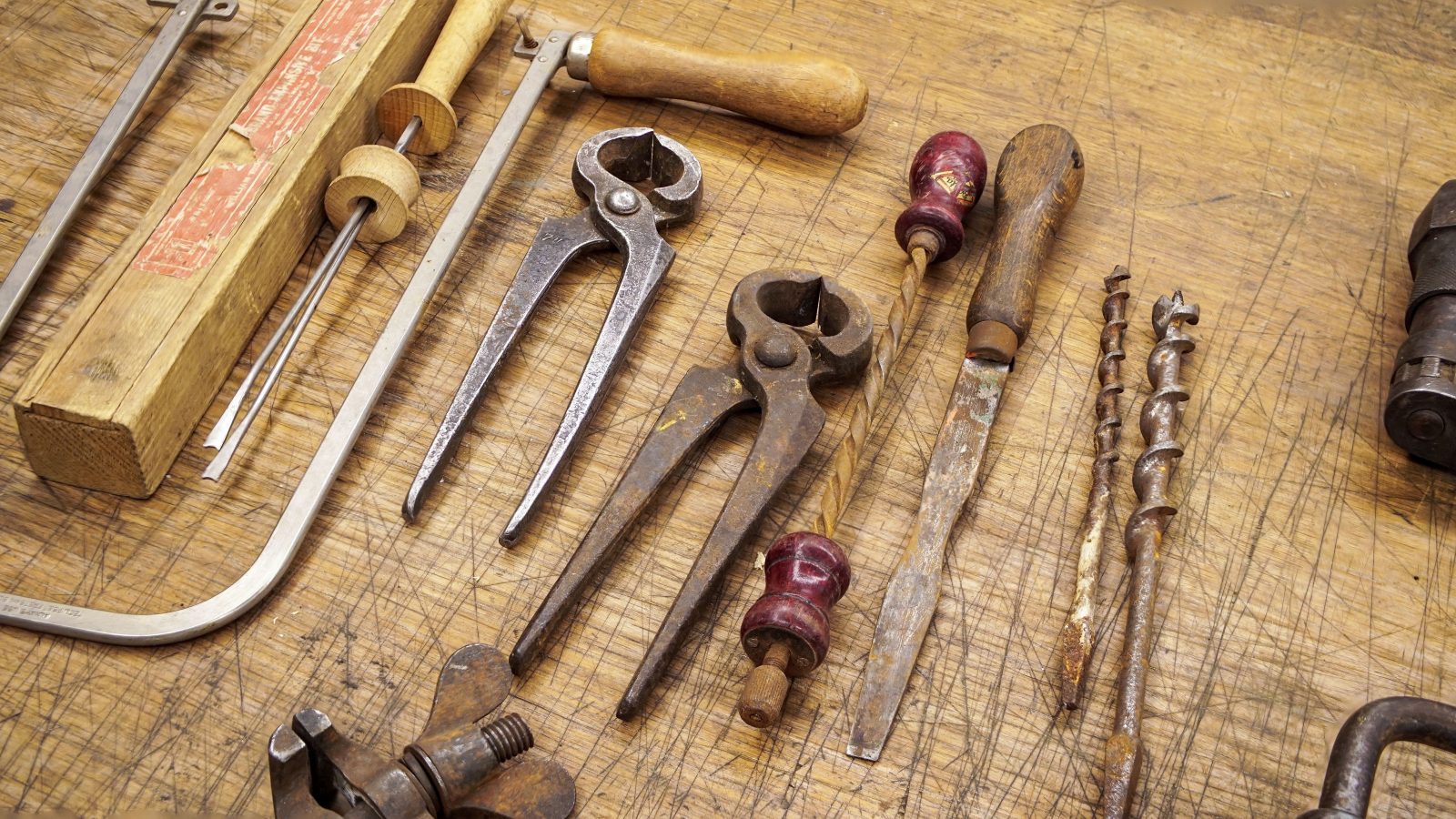
Have you ever stumbled upon your old garden tools and found them so rusted you thought they might be beyond saving? It’s disappointing, isn’t it? But hold on, don’t throw them out yet. The good news is that cleaning rusty tools isn’t as hard as it seems. With a few straightforward steps, you can restore them to their former glory. Today, we’ll explore how to clean rusty tools effectively – discover simple and efficient techniques that anyone can follow.
Simple Steps to Transform Your Rusty Tools
-
Identify the Right Cleaning Method: Not all rust removal techniques are suitable for every tool due to different materials and rust severity. For light rust, using a mixture of vinegar and salt can work wonders. If the rust is heavier, you might need something stronger like a commercial rust remover.
-
Prepare Your Tools: Before you start, make sure to clean your tools with soap and water to remove any dirt and grime. This ensures that you’re dealing directly with the rust and nothing else.
-
Choose a Natural Remedy or a Chemical Solution:
- Natural Remedies: Vinegar is your friend here. Soak the rusty part of your tool in full-strength white vinegar. Check on it after a few hours, and you’ll notice the rust starting to dissolve. You may need to leave it overnight for tougher jobs.
- Chemical Solutions: If natural remedies aren’t cutting it, using a chemical rust remover is a quick and effective alternative. Follow the instructions on the product label carefully for the best results.
-
Scrub the Rust Away: After soaking, take a scrubbing pad or steel wool and scrub the rusty areas gently. You’ll see the rust coming off. For stubborn patches, a wire brush attached to a drill can do the job more effortlessly.
-
Rinse and Dry: Once the rust is removed, rinse your tools thoroughly with water to remove any remaining vinegar or chemical residue. It is crucial to dry your tools completely to avoid new rust forming.
-
Protect Your Tools: To prevent future rust, apply a light coat of oil or a rust-preventative spray to your tools. This seals out moisture and keeps the tools in good condition.
-
Regular Maintenance: Regularly check your tools for signs of rust and store them in a dry place. Keeping them clean and dry is your best defense against rust.
By following these steps, how to clean rusty tools effectively becomes a less daunting task. The idea is to be regular with the care of your tools and not to let rust make a permanent home.
Frequently Asked Questions
Q1: Can I use baking soda instead of vinegar for rust removal?
Yes! Baking soda can be used to treat rust as well. Make a paste with baking soda and water, apply it to the rusted part, and after a couple of hours, scrub it off. Rinse and dry thoroughly afterward.
Q2: Are there any safety concerns I should be aware of while removing rust?
Always wear gloves to protect your hands, especially if you are using chemical rust removers. If you’re working in a closed space, ensure proper ventilation or consider working outdoors. Safety goggles are also recommended to protect your eyes from rust particles or chemical splashes.
Q3: How often should I check my tools for rust?
It’s a good practice to check your tools for rust every month, especially if they’re stored in a damp area. If you live in a humid climate, you might want to check them more frequently.
Conclusion
Rusty tools aren’t necessarily destined for the trash. With these simple and efficient techniques on how to clean rusty tools effectively, you can restore your tools and extend their life significantly. Remember, consistent care is key to keeping your tools in great shape. So next time you spot that first hint of orange, you know exactly what to do. Keep your tools happy, and they’ll help you keep your garden, home, and workspace happy in return.